


Natural Sciences - Astronomy & Space
In space, astronauts’ aging hearts accelerate
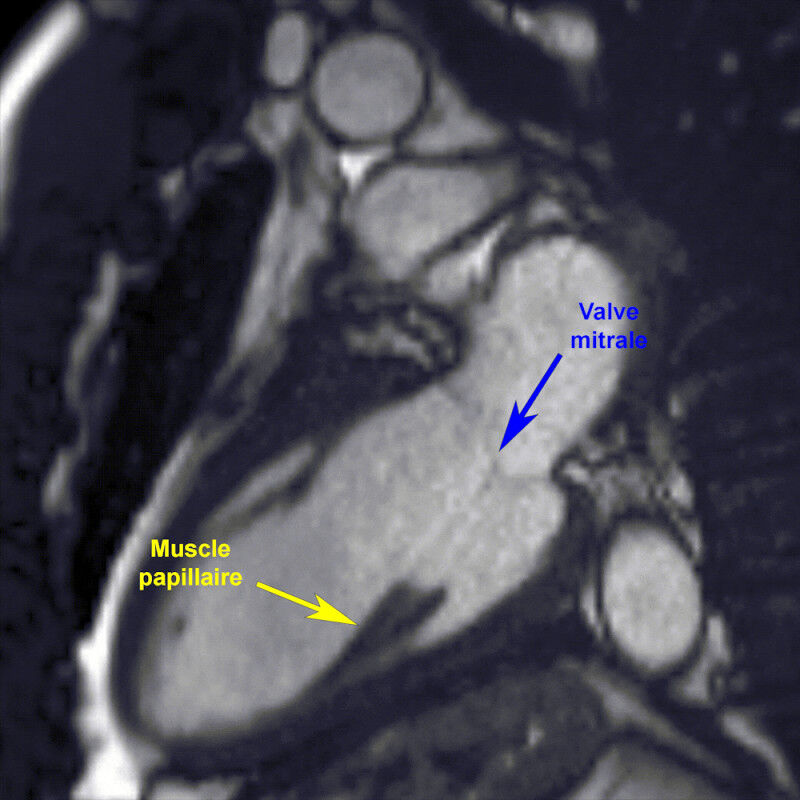
New research reveals that, in space, certain heart muscles are put to the test by weightlessness. In just a few months, they atrophy. The consequences of this process, which takes decades on Earth, on astronauts' health remain to be assessed. On a positive note, these results could advance our understanding of certain mechanisms behind mitral valve insufficiency. An article by Cyril Tordeur, Faculty of Human Motor Sciences, in The Conversation.
BLU Space Day: detecting extraterrestrial life?
Alone in the universe - Lecture by Michel Viso, former astronaut candidate, on "Can we detect extraterrestrial life?", Monday January 19, 6.30-8pm, free admission.
’Space lawyer is the perfect icebreaker’
Ahead of our UniverCITY Talk: Our Place in Space on 25 November, we caught up with Günes Ünüvar from the Luxembourg Centre for European Law (LCEL) to talk about why space law is the ultimate party trick and the challenges of regulating orbit.
Decolonizing scientific practices: the case of Chile’s Atacama Desert

Is it moral, ethical or even acceptable for research projects to be carried out in countries of the "Global South" without any local scientists being involved? A new study has quantified this problem in the Dry Puna and Atacama Desert area of Latin America. An article by Gabriel A. Pinto in The Conversation.
Detecting extraterrestrial life?
Alone in the universe - Lecture by Michel Viso, former astronaut candidate, on "Can we detect extraterrestrial life?", Monday January 19, 6.30-8pm, free admission.
Potential collaborations to focus on digital space infrastructures, space robotics, and space law
Berkeley Space Center and the University of Luxembourg have signed a memorandum of understanding to advance collaborative research and education in space science and technology, in the presence of Prime Minister Luc Frieden, during a working visit in San Francisco.
Bart Merci wins ERC Synergy Grant with spacecraft fire protection project

( - ) With the FireSpace project, Prof Bart Merci (Faculty of Engineering and Architecture) and colleagues from Lille, Paris and Bremen will conduct pioneering research on the dynamics of fire in space context.


